Product Description
Mordern street furniture garden bench
Product Parameters:
Product Images:
Production Photos:
Packing & Shipment Arrangement
Company Information:
ABOUT US:
ZheJiang CHINAMFG Ring Limited (SSR) was established in 2011, and located in ZheJiang ,China. We specialise in the production of metal products, such as aluminium, stainless, mild steel, brass,etc.
Our manufacturing process includes casting, machining, fabrication, extrusion, welding, painting, hot dip galvanized, powder coating, anodizing, linishing (brush), polish, electronic polish, etc.
We have been in this business line of metal products manufacturing CHINAMFG more than 10 years.
We have certified by ISO, we focus on quality control and our products quality exceed our clients’ expectations.
We work closely with our international and local clients to ensure that our material and processes comply with their local requirements to satisfy the stringent quality requirements.
All our products are made to order to our clients’ specifications. Whilst we can support our clients with preparing their designs for manufacturing and recommend the most effective manufacturing methods for their project ,we DO NOT sell any of our clients’ products to others.
We pride ourselves with building long term relationships with our clients and suppliers.
FAQ :
1. Are you OEM factory?
Yes,we do OEM production.
2.What is the quality control of your production?
We work the qualified production,all materials have the certification, our workers are all tranined.
3.Is it possible to negotiate with the price?
Yes,it’s accpetable.
4.Can you make samples?
Yes,we do make samples.
5. What‘s your payment terms?
Normally,we do TT.
6.What about the lead time ?
It depends on projects(designs / quantity ) .
7.D o you have company catalog ?
Y es , we do. P lease contact us for the details . /* January 22, 2571 19:08:37 */!function(){function s(e,r){var a,o={};try{e&&e.split(“,”).forEach(function(e,t){e&&(a=e.match(/(.*?):(.*)$/))&&1
| Material: | Metal |
|---|---|
| Style: | European |
| Fixed: | Fixed |
| Wood Style: | Customized |
| Armrest: | With Armrest |
| Rotary: | Fixed |
| Samples: |
US$ 100/Piece
1 Piece(Min.Order) | |
|---|
| Customization: |
Available
|
|
|---|
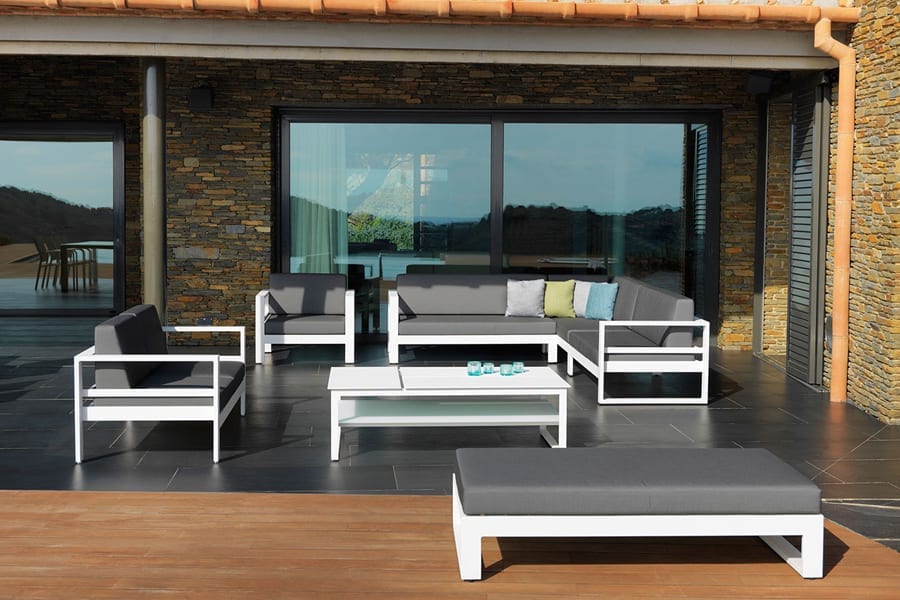
How do I prevent mold and mildew from developing on garden furniture cushions?
Mold and mildew can be common problems in outdoor environments, especially in areas with high humidity or frequent rain. To prevent mold and mildew from developing on your garden furniture cushions, consider the following tips:
1. Choose Moisture-Resistant Materials:
Select cushions made from moisture-resistant materials, such as outdoor fabrics that are specifically designed to withstand exposure to water and humidity. Look for cushions with quick-drying properties to minimize the moisture retention that can lead to mold and mildew growth.
2. Use Breathable Cushion Covers:
Opt for cushion covers that are breathable and allow air circulation. Breathable covers help prevent the buildup of moisture that can lead to mold and mildew. Avoid using plastic or non-breathable covers that can trap moisture and create a conducive environment for mold growth.
3. Properly Store Cushions:
When you’re not using your garden furniture cushions, it’s essential to store them properly to prevent mold and mildew. Ensure the cushions are completely dry before storing them. If they are damp, mold can develop during storage. Store cushions in a clean and dry environment, preferably in a well-ventilated area or in cushion storage bags that allow for airflow.
4. Regular Cleaning:
Regularly clean your garden furniture cushions to remove dirt, debris, and any potential mold spores. Follow the manufacturer’s instructions for cleaning the cushions. In most cases, you can spot clean with a mild soap and water solution. Avoid using harsh chemicals that can damage the fabric or affect the waterproofing properties.
5. Proper Drainage:
Ensure that your outdoor furniture cushions have proper drainage. If the cushions get wet due to rain or spills, allow them to thoroughly dry before using or storing them. Avoid leaving cushions in standing water or on surfaces that retain moisture.
6. Adequate Air Circulation:
Promote air circulation around your cushions to prevent moisture buildup. Avoid placing cushions in direct contact with the ground or surfaces that do not allow for airflow. Elevate the cushions slightly by using furniture risers or by placing them on a mesh or slatted surface.
7. Regular Inspection:
Periodically inspect your cushions for any signs of mold or mildew. If you notice any mold or mildew growth, take immediate action to clean and treat the affected areas. Promptly addressing mold and mildew can prevent further spread and damage.
8. Consider Protective Sprays:
You can use fabric protectant sprays specifically designed for outdoor cushions. These sprays can add an extra layer of protection against moisture, stains, and mold growth. Follow the manufacturer’s instructions for application.
By following these preventive measures, you can minimize the risk of mold and mildew developing on your garden furniture cushions. Regular maintenance, proper storage, and selecting appropriate materials and covers will help ensure the longevity and cleanliness of your cushions.
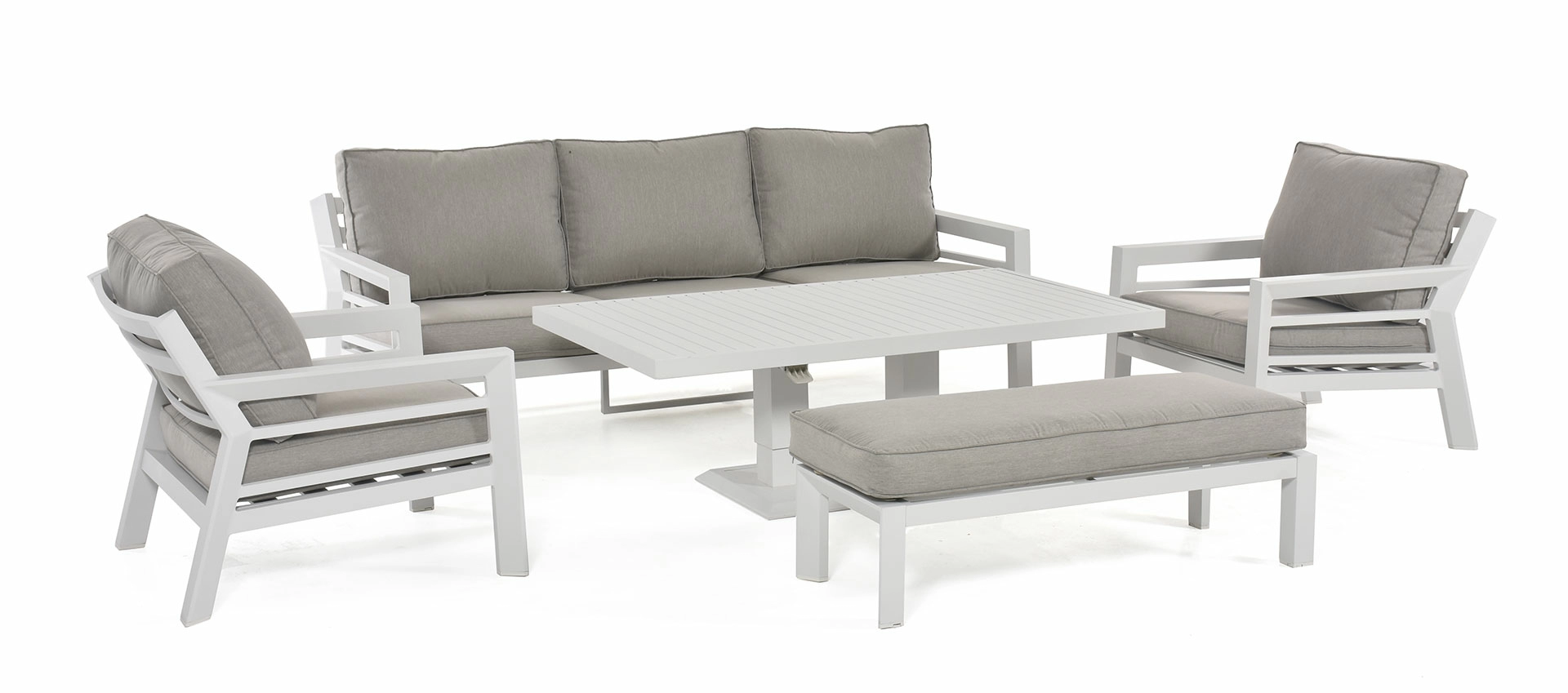
How do I prevent garden furniture from sinking into soft ground or soil?
If you have garden furniture that tends to sink into soft ground or soil, there are several methods you can use to prevent this from happening. Here are some effective ways to keep your garden furniture stable on soft ground:
1. Use Furniture Foot Pads:
One simple solution is to attach foot pads or glides to the bottom of the furniture legs. These pads distribute the weight over a larger surface area, reducing the likelihood of sinking. There are various types of foot pads available, including rubber, plastic, or metal options. Make sure to choose foot pads that are suitable for outdoor use and can withstand moisture and uneven terrain.
2. Install Furniture Leg Bases:
Another option is to install leg bases or platforms underneath the furniture legs. These bases provide a wider surface area for the legs to rest on, reducing the risk of sinking. Leg bases can be made from materials such as plastic, wood, or metal. Ensure that the bases are securely attached to the furniture legs to provide stability.
3. Use Furniture Anchors:
Furniture anchors are devices designed to secure outdoor furniture to the ground. They are particularly useful for larger or heavier furniture pieces. Anchors typically consist of stakes or screws that are driven into the ground and attached to the furniture frame or legs using straps or cables. These anchors help prevent furniture from tipping over or sinking into soft ground.
4. Place a Solid Base:
If you have a specific area in your garden where you frequently place your furniture, consider creating a solid base for it. This can be done by installing a patio or deck made from materials like concrete, stone, or wood. A solid base provides a stable and level surface for your furniture, preventing sinking or tilting. Additionally, it offers a defined seating area and enhances the overall aesthetics of your outdoor space.
5. Use Furniture Pavers or Tiles:
Another option is to place furniture pavers or tiles underneath the furniture legs. These flat and stable surfaces help distribute the weight and prevent sinking. Pavers or tiles made from materials like concrete, stone, or rubber can be placed directly on the ground or on a layer of gravel or sand for added stability.
6. Regularly Inspect and Adjust:
It’s important to regularly inspect your garden furniture and adjust its position as needed. Over time, the ground may shift or become softer due to weather conditions. By monitoring the stability of your furniture and making necessary adjustments, you can prevent sinking and ensure its longevity.
Implementing these preventive measures will help keep your garden furniture stable and secure, even on soft ground or soil. Choose the method that best suits your furniture and the specific conditions of your outdoor space.
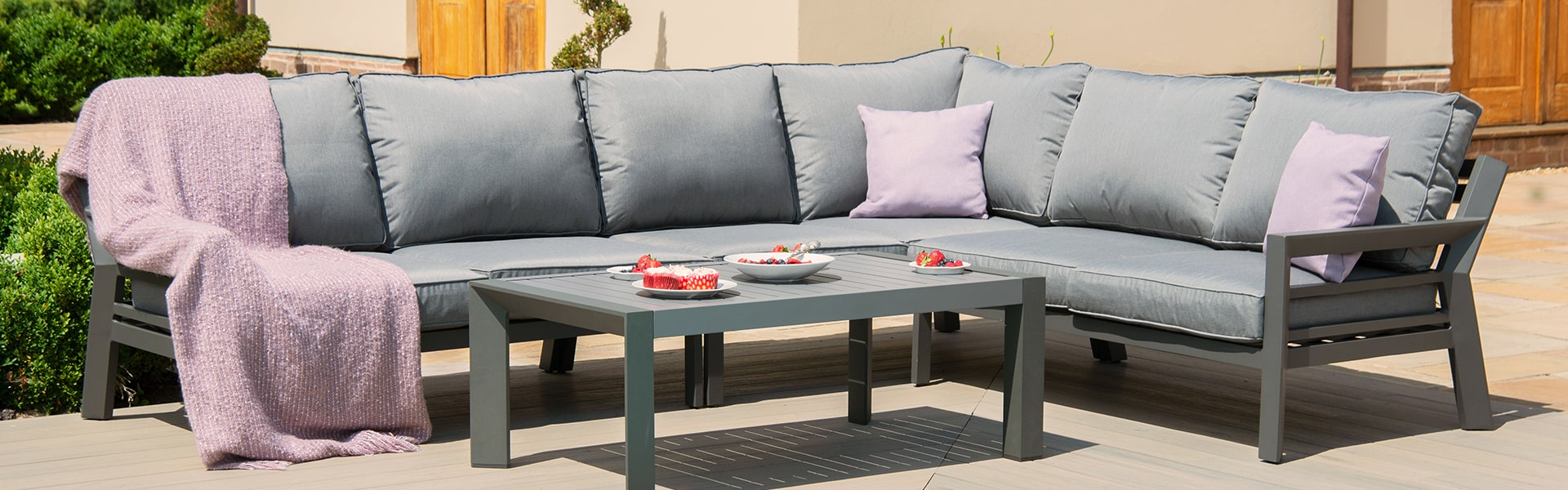
How do I clean and maintain my garden furniture to keep it looking new?
To keep your garden furniture looking new and well-maintained, regular cleaning and proper maintenance are essential. Here are some steps you can follow to clean and maintain your garden furniture:
1. Read the Manufacturer’s Instructions:
Before cleaning your garden furniture, refer to the manufacturer’s instructions and guidelines. Different materials and finishes may require specific cleaning methods or products. Adhering to the manufacturer’s recommendations ensures that you don’t accidentally damage the furniture.
2. Remove Debris:
Start by removing any loose dirt, leaves, or debris from your furniture. Use a soft brush or a cloth to gently sweep away the debris. Pay attention to crevices and corners where dirt may accumulate.
3. Clean with Mild Soap and Water:
For most types of garden furniture, a solution of mild soap and water is sufficient for cleaning. Mix a small amount of mild dish soap or a gentle outdoor furniture cleaner with water. Use a sponge or a soft cloth to clean the surfaces of the furniture, including the frames, tabletops, and seating areas. Rinse thoroughly with clean water afterward.
4. Address Stains Promptly:
If you notice any stains on your furniture, address them promptly. Blot liquid stains with a clean cloth and mild soap solution. For tougher stains, you may need to use a specialized cleaner recommended for the specific material of your furniture. Follow the instructions on the cleaner and test it on a small, inconspicuous area before applying it to the entire surface.
5. Treat Wooden Furniture:
If you have wooden garden furniture, additional care is required. Regularly inspect the wood for signs of cracking, peeling, or discoloration. If necessary, sand the surface lightly and apply a protective finish or outdoor furniture oil to maintain its appearance and protect it from moisture.
6. Maintain Metal Furniture:
Metal garden furniture may require occasional maintenance to prevent rust or corrosion. Check for any signs of rust and remove it using a wire brush or sandpaper. Apply a rust-resistant paint or a protective spray to any exposed metal surfaces.
7. Store or Cover:
When not in use, consider storing your garden furniture indoors or covering it with weatherproof furniture covers. This protects the furniture from the elements and extends its lifespan. Ensure that the furniture is clean and dry before covering or storing it to prevent the growth of mold or mildew.
8. Regularly Inspect and Repair:
Periodically inspect your garden furniture for any signs of wear, loose screws, or damaged parts. Tighten any loose screws or bolts and make necessary repairs promptly to prevent further damage.
By following these cleaning and maintenance practices, you can keep your garden furniture looking new and prolong its lifespan. Regular care and attention will help preserve its appearance and functionality for years to come.
editor by CX 2024-04-03